
"bean saint"
1000 article(s) found

Introduction of SHB Costa Rican Saint Roman Coffee Flavor description method
[country]: Costa Rica [grade]: [altitude]: 1700m [production area]: Tara Zhu production area [baking degree]: medium-deep roasting [treatment]: washing treatment [variety]: Kaddura, Kaduai [treatment plant]: St. Roman processing plant [flavor]: raspberry, caramel, cream, micro-spice coffee cherries are hand-selected and removed by coffee farmers.

Introduction to the characteristics of Costa Rican Saint Roman Coffee varieties with clear flavor and bright acidity
Coffee was introduced into Costa Rica from Cuba in 1729. Today, its coffee industry is one of the well-organized industries in the world, with a yield of 1700 kg per hectare. Costa Rica has only 3.5 million people but 400m coffee trees, and coffee exports account for 25 per cent of the country's total exports. The volcanic soil of Costa Rica is very fertile and well drained, especially in the central part.

Honduras Water washing treatment SHB Grade Saint Rose treatment Plant Rainforest Certification for roasting Coffee beans
Coffee beans details: country: Honduras Grade: SHB production area: Cobang Province altitude: 1500-2000 m treatment method: washing varieties: Kaddura, Kaduai, bourbon producer: Saint Rose processing Plant Flavor: cream, Brown Sugar, Melon sweetness Coffee began to be grown in Honduras in 1804, and now there are 280000 hectares of coffee plantations, all dominated by small coffee farmers.

Introduction to the characteristics of Flavor description and Grinding degree of Coffee in Saint Roman Manor, Costa Rica
Costa Rican coffee has full particles, ideal acidity and unique strong flavor. Costa Rica's coffee industry, originally controlled by the Costa Rican Coffee Industry Company (InstitutodelCafdeCostaRica, ICAFE), has been taken over by the official Coffee Committee (OficinadelCaf). In exported coffee, those products that are considered to be of substandard quality are used in blue.

The unique and strong aroma of Costa Rica's Saint Roman Manor Coffee Flavor describes the characteristics of the variety producing area
Costa Rican coffee has full particles, ideal acidity and unique strong flavor. Costa Rica's coffee industry, originally controlled by the Costa Rican Coffee Industry Company (InstitutodelCafdeCostaRica, ICAFE), has been taken over by the official Coffee Committee (OficinadelCaf). In the coffee exported, those products that are considered to be of substandard quality use blue.

Introduction to the varieties of Coffee Flavor description and Grinding scale in Saint-Roman Manor, Costa Rica
The research center, located about 30 kilometers northeast of the Costa Rican capital San Jose, belongs to the Costa Rican Coffee Association and is a research institution for villa sarchi planting, breeding and quality inspection newly developed by Costa Rica's national coffee breeds. in addition, it also has 10 hectares of experimental plots, planting a number of excellent varieties. Coffee is the main agricultural product in Costa Rica, with an annual output of more than 2 million bags
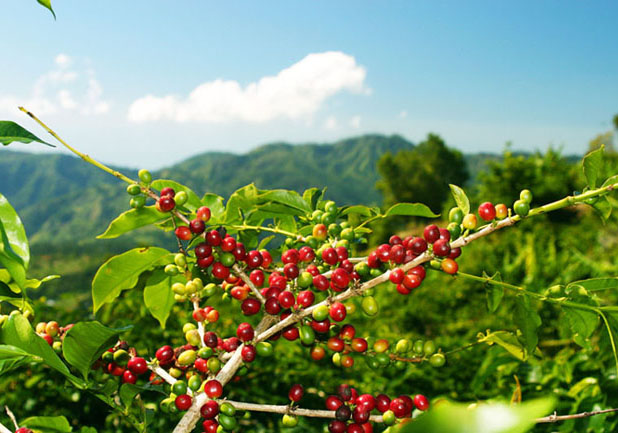
Where can I buy cheap coffee or coffee beans? Saint Romans, Tarazu, Costa Rica
If you prefer not to spend too much money, learning to choose coffee beans is the first and most important step. If you want to make a good cup of coffee, in addition to your own technology, the most important thing is how to select high-quality coffee beans and how to better preserve them. Here, I would like to make a few suggestions. When buying coffee, it is best to buy coffee beans rather than ground them.

Introduction to the characteristic varieties of Coffee grindability treatment in Saint Roman Manor, Costa Rica
Costa Rica's law only allows the planting of Arabica varieties, and Robusta is contraband in its territory, which shows the importance Costa Rica attaches to the quality of coffee. Most of the varieties cultivated in Costa Rica are caturra, catuai and so on, and there are many varieties in the country, the most famous is the bourbon variety villa sarchi, which is found at high altitudes.

Introduction to the characteristics of Costa Rican Saint Roman Coffee flavour Manor
Tarrazu in Costa Rica is one of the major coffee producing areas in the world. The coffee produced is light and pure in flavor and pleasant in aroma. Costa Rica, with its fertile volcanic soil and good drainage, is the first country in Central America to grow coffee and bananas for commercial value. Coffee and bananas are the country's main exports. In 1729, coffee was introduced from Cuba to Goth.

Costa Rican Coffee Manor with strong Flavor introduction to Saint Roman Manor
Tarrazu in Costa Rica is one of the major coffee producing areas in the world. The coffee produced is light and pure in flavor and pleasant in aroma. Costa Rica, with its fertile volcanic soil and good drainage, is the first country in Central America to grow coffee and bananas for commercial value. Coffee and bananas are the country's main exports. In 1729, coffee was introduced from Cuba to Goth.

Introduction to the quality characteristics of Coffee Flavor description treatment in Saint-Roman Manor, Costa Rica
Tarrazu in Costa Rica is one of the major coffee producing areas in the world. The coffee produced is light and pure in flavor and pleasant in aroma. Costa Rica, with its fertile volcanic soil and good drainage, is the first country in Central America to grow coffee and bananas for commercial value. Coffee and bananas are the country's main exports. In 1729, coffee was introduced from Cuba to Goth.

Description of Coffee Bean Variety introduction and Flavor in Saint Roman Manor, Costa Rica
Professional barista communication please follow coffee workshop (Wechat official account cafe_style) altitude: 1200-1900m harvest: November March Costa Rica San Ruman processing Plant Coffee production area: Tarrazu Coffee Variety: Caturra.Catuai Annual rainfall: 2000 mm grading Standard: SHB Annual average temperature: 19 degrees C treatment: washing raw beans specifications: 17-18 mesh planting altitude

The best coffee in Honduras comes from the Honduran coffee processing plant, Saint Vincent San Vicente.
Exchange of professional baristas Please follow the Coffee Workshop (official Wechat account cafe_style) introduction: coffee was grown in Honduras in 1804 and now there are 280000 hectares of coffee farms, mostly small coffee farmers, who account for 60% of Hongguo's coffee production. Coffee production in Honduras in 2011

Costa Rican Saint Roman Coffee Flavor description method for Grinding degree of Fine Coffee beans
The Costa Rican coffee industry was originally controlled by the Costa Rican Coffee Industry Company (Instituto del Caf de Costa Rica, ICAFE) and has now been taken over by the official Coffee Committee (Oficina del Caf). The products that are considered to be of substandard quality in the exported coffee are colored with blue vegetable dyes and then sold back to China. Coffee consumed at home.

Description of Flavor of Fine Coffee beans in Saint Roman Manor, Costa Rica
Tarrazu in Costa Rica is one of the major coffee producing areas in the world. The coffee produced is light and pure in flavor and pleasant in aroma. Costa Rica, with its fertile volcanic soil and good drainage, is the first country in Central America to grow coffee and bananas for commercial value. Coffee and bananas are the country's main exports. In 1729, coffee was introduced from Cuba to Goth.

Flavor characteristics, producing areas and cooking parameters of single bean in Saint Roman Manor, Costa Rica
For the exchange of professional baristas, please follow the coffee workshop (Wechat official account cafe_style) Costa Rica Saint Roman Manor single bean flavor characteristics, production areas and brewing parameters Costa Rica Costa Rican population: 4586000 in the past, Costa Rica has successfully sold its coffee according to the name of the region where it is produced. However, tastes vary from region to region, so this is very

Unique strong Coffee Grinding scale Flavor description method in Saint Roman Manor, Costa Rica
Coffee was introduced into Costa Rica from Cuba in 1729. Today, its coffee industry is one of the well-organized industries in the world, with a yield of 1700 kg per hectare. Costa Rica has only 3.5 million people but 400m coffee trees, and coffee exports account for 25 per cent of the country's total exports. The volcanic soil of Costa Rica is very fertile and well drained, especially in the central part.

Introduction to the characteristics of Coffee production area by the method of Coffee Grinding degree in Saint Roman Manor, Costa Rica
There are many excellent producing areas in Costa Rica, and the high-quality producing areas of Costa Rica have a common understanding of quality, that is, it requires the use of mature coffee fruits to ensure the production of high-quality coffee. Generally speaking, a large amount of water is used in the post-processing of picked coffee fruit, but the advanced production equipment in Costa Rica saves the use of water resources to the greatest extent.
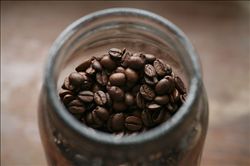
Costa Rican Saint Roman washing fine coffee beans Costa Rican coffee beans
The best coffee in Costa Rica seems to come from small processing plants, spread across several major coffee producing areas, including Tarazu and the western valley. This so-called coffee revolution originated 15 years ago and has greatly changed the way bean baking experts and importers think about Costa Rican coffee. Take the processing plant as the center, collect coffee beans from the surrounding small farms for processing, most of these farms are small societies

Description of Coffee Flavor in Chateau Saint-Roman, Costa Rica
Tarrazu in Costa Rican coffee is one of the major coffee producing areas in the world. The coffee produced has a light and pure flavor and pleasant aroma. Located in the south of the country's capital, San Jos, Tarasu is one of the most valued coffee growers in the country. La Minita Tarrazu coffee is a famous local product, but the production is limited, about